 By Bridget Diaz
Plenty of creators land a UGC deal or two. Far fewer turn UGC into income they can count on every month. The difference isn't talent. It's running UGC like a small business: a clear offer, set prices, a steady pitching habit, contracts, and knowing what came in and what went out.
If you haven't landed a deal yet, start with how to become a UGC creator. This guide is for the next step: making it last.
- Sell clear packages, not one-off videos.
- Pitch every week, even when you're busy with client work.
- Repeat and monthly clients are what make UGC income steady.
- Track income and set money aside for taxes from your first deal.
Step 1: Decide exactly what you sell
A business sells something specific. "I make UGC" is vague. "I make 3-video packs of skincare testimonials and demos, with 3 hooks each" is something a brand can say yes to.
- Pick your formats: testimonials, unboxings, demos, before and afters, voiceovers, product photos.
- Pick your niches: one or two you can film every week.
- Decide your extras: extra hooks, raw footage, edited cuts, paid usage and whitelisting.
- Write it down as packages. Brands find packages easier to buy than a menu.
Step 2: Set prices you can grow into
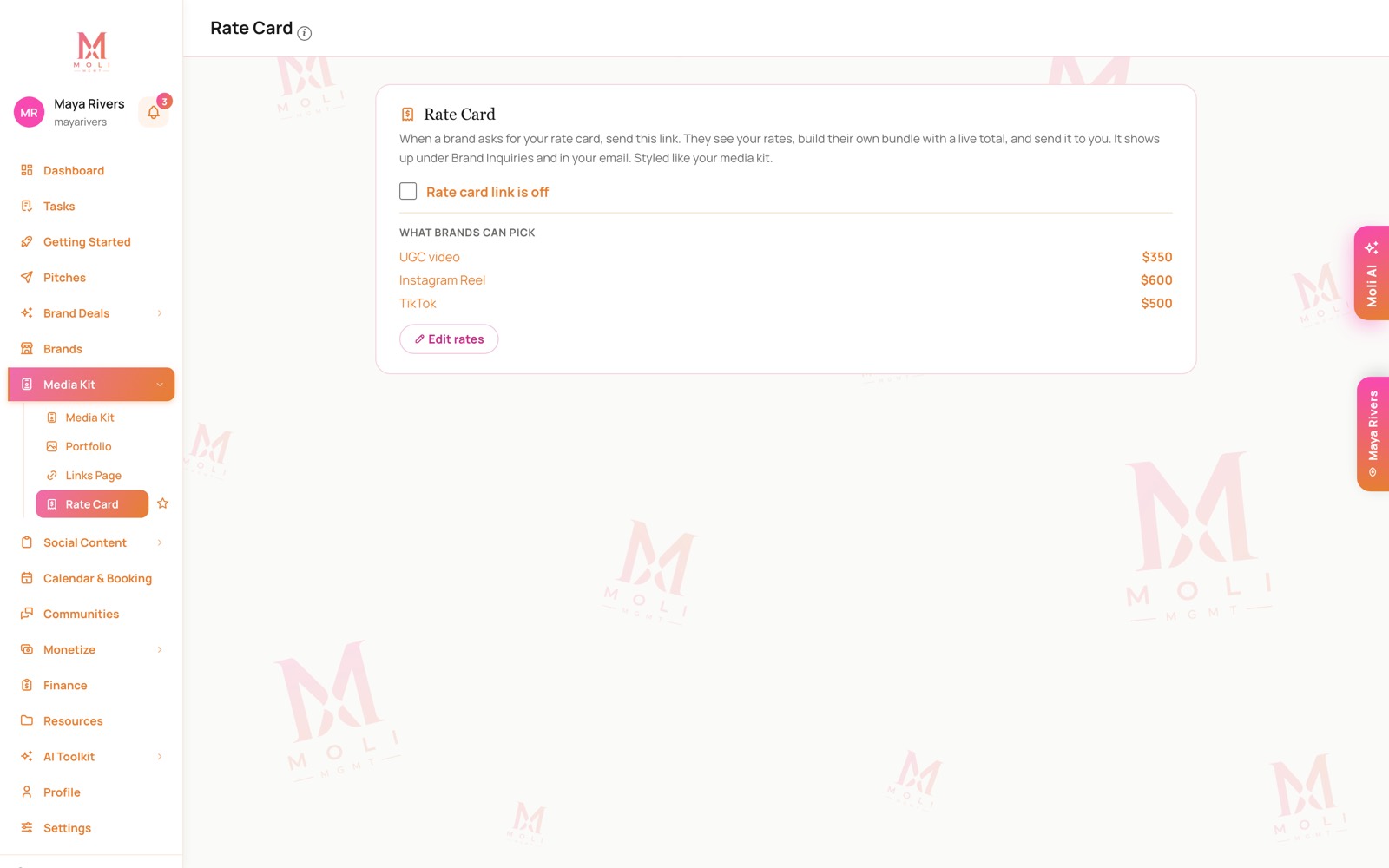
Your prices should cover your time and leave room to raise them. Build a base rate per video, a package price with a small discount, and separate prices for paid usage by length of time. Raise your rates every few deals as your portfolio gets stronger.
Our guide to UGC rates for beginners covers how to build each number.
Step 3: Make pitching a weekly habit
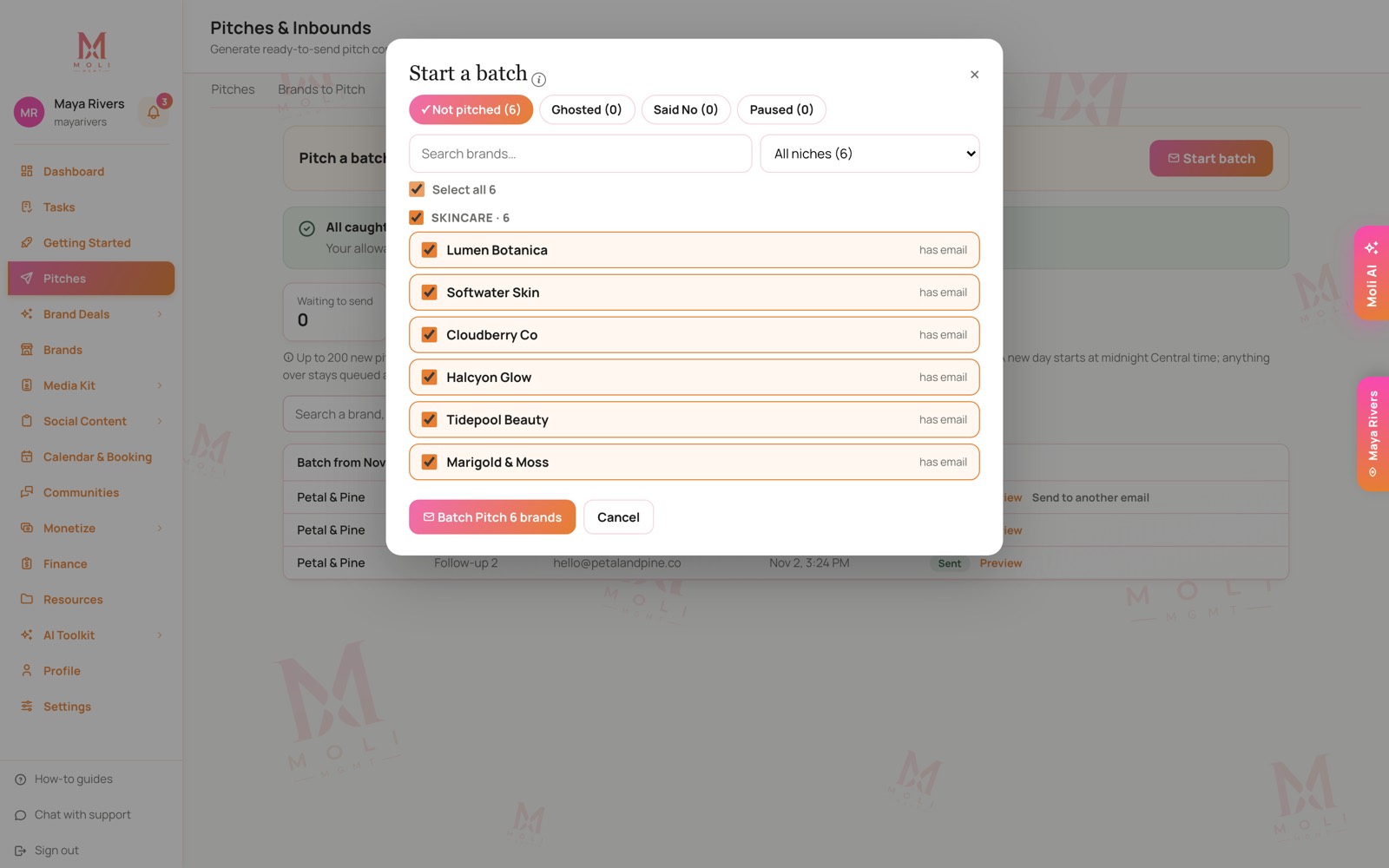
The most common reason UGC income dips is simple: a creator gets busy with client work and stops pitching. Then the projects end and the pipeline is empty. Block one or two sessions a week for pitching, no matter how busy you are.
| Habit | How often |
|---|---|
| Pitch new brands | 10 to 20 a week |
| Send follow-ups | Twice per pitch |
| Check in with past clients | Once a month |
| Add new work to your portfolio | After every project you're allowed to share |
Step 4: Put every deal in writing
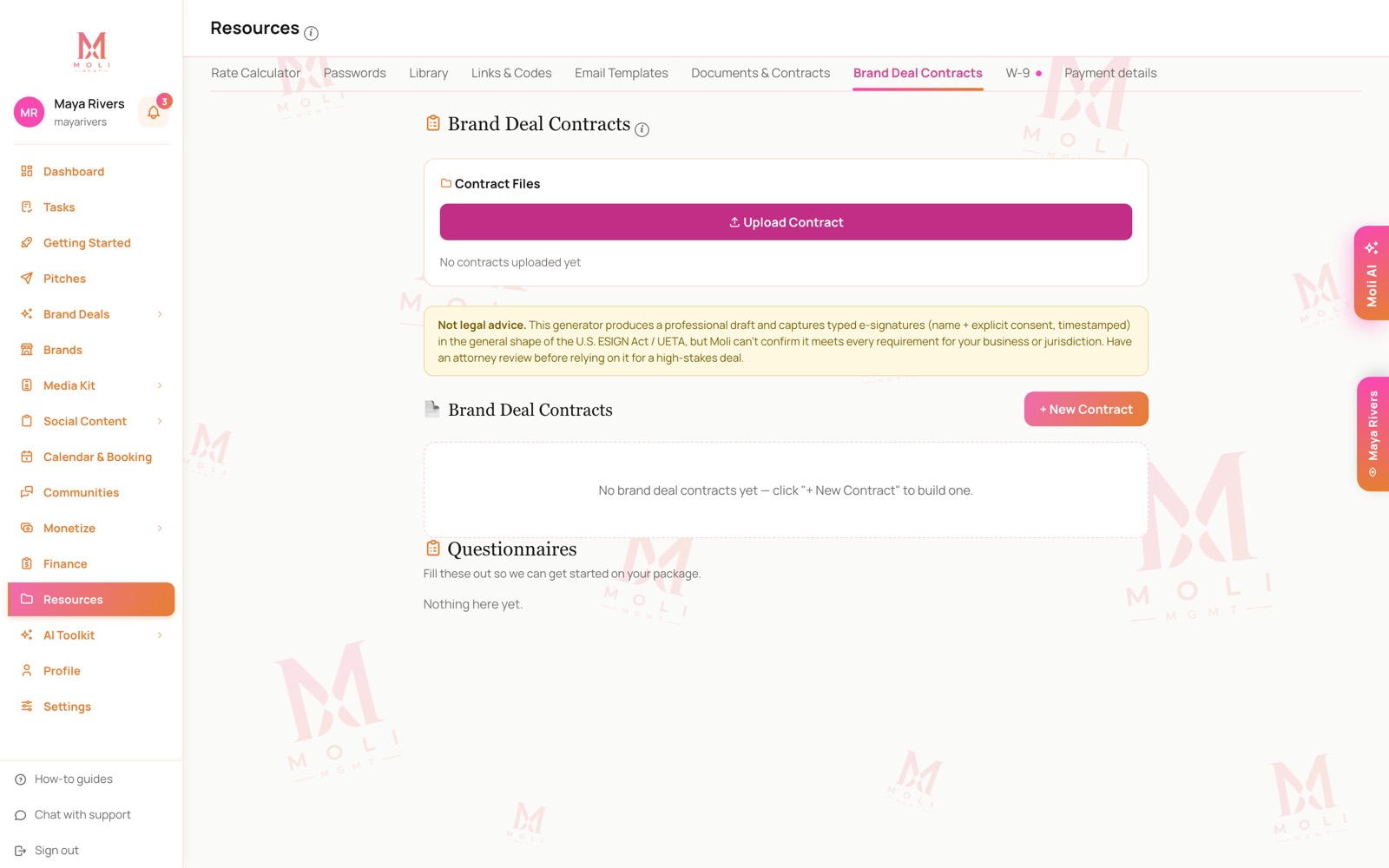
A business doesn't film on a handshake. Every deal gets a contract that covers the deliverables, timeline, revisions, payment terms and usage rights. It protects you, and it makes you look like someone brands can trust with a bigger budget.
Two official rules are worth knowing. The U.S. Copyright Office says copyright protects a work as soon as it's fixed in a tangible form, so usage rights describe the permission you give the brand, and paid usage deserves its own price and end date. And if you post sponsored content on your own account, the FTC's Disclosures 101 guide says to disclose the relationship clearly.
Step 5: Get paid on time
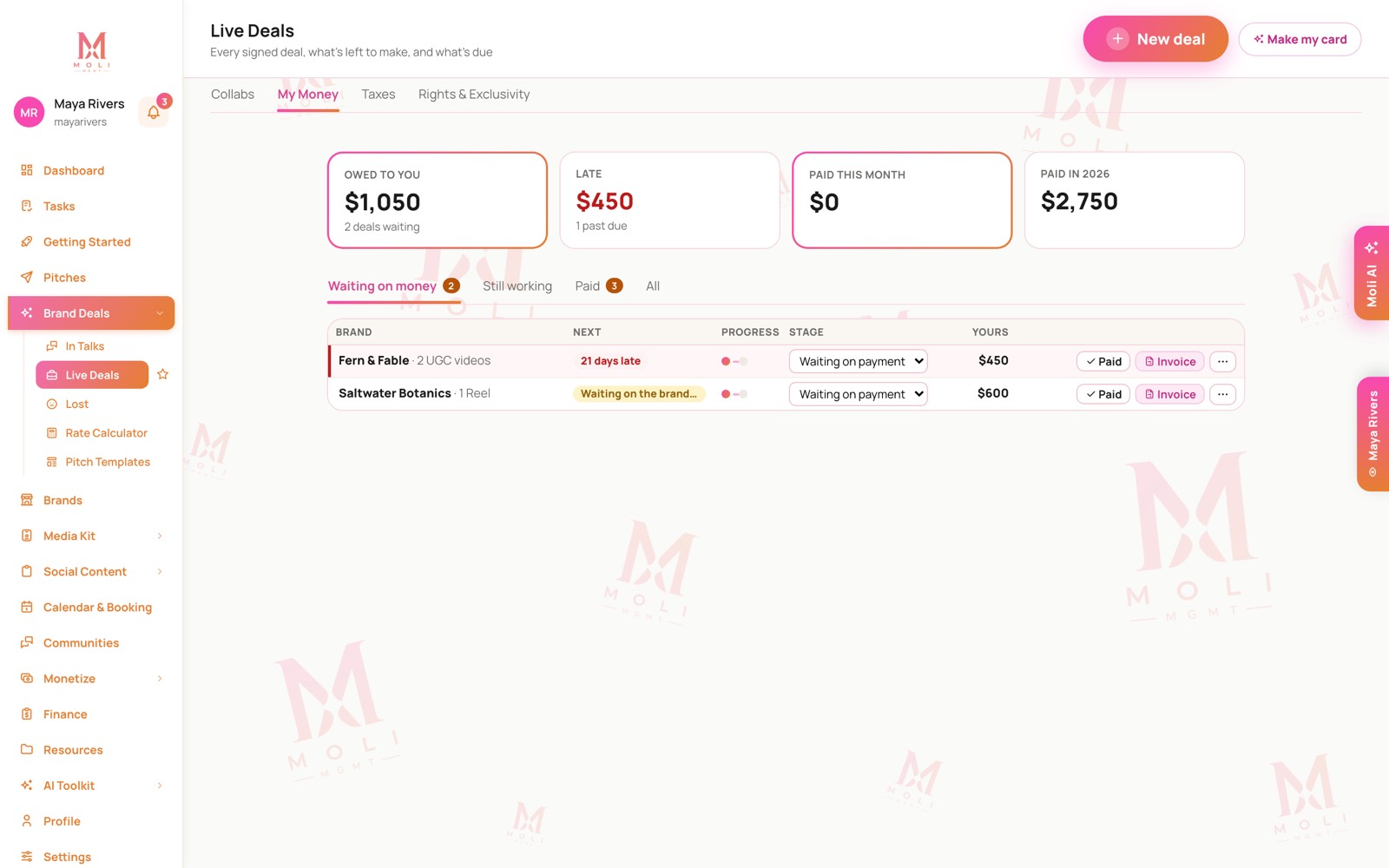
Cash flow is where many creator businesses struggle. Set terms up front, ask for a deposit from new clients, and invoice as soon as content is approved. Follow up on late invoices the same way you follow up on pitches: politely and on a schedule.
- Ask for half up front from new clients.
- Send the invoice the day the brand approves the content.
- Use net 15 or net 30 terms and put the due date on the invoice.
- Send a friendly reminder the day after the due date.
Step 6: Turn one-off deals into monthly clients
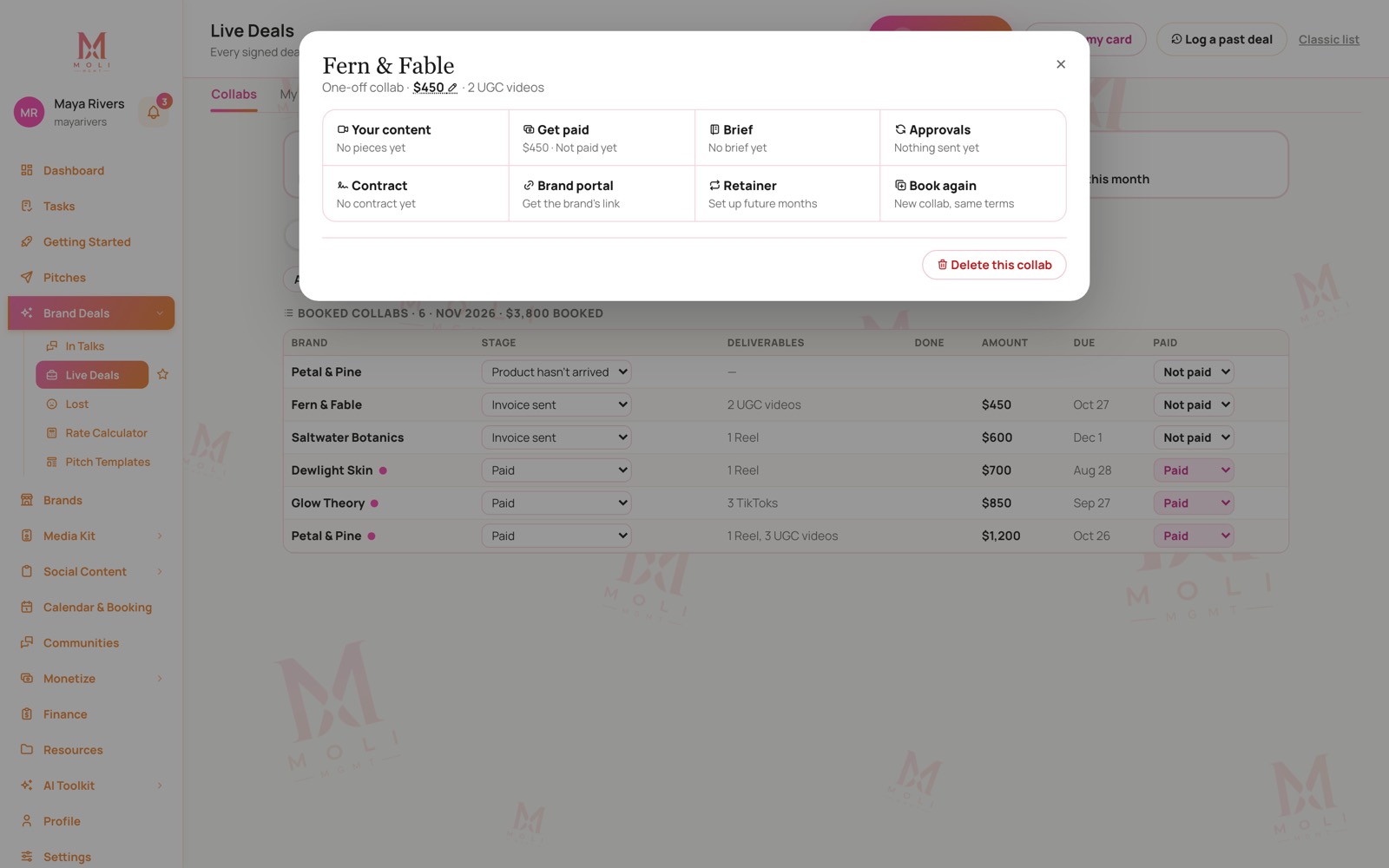
Steady UGC income comes from repeat work. A brand that liked your first three videos will need more next month, because ads wear out and new products launch. Offer a monthly package after every successful project: a set number of videos a month at a slightly better rate.
- Ask "Would a monthly package help your team?" after delivering.
- Offer a simple retainer: for example, 4 videos a month with 2 hooks each.
- Check in with past clients every month with one new idea.
- Keep notes on what each brand liked so your next pitch to them is easy.
Step 7: Track your income and plan for taxes
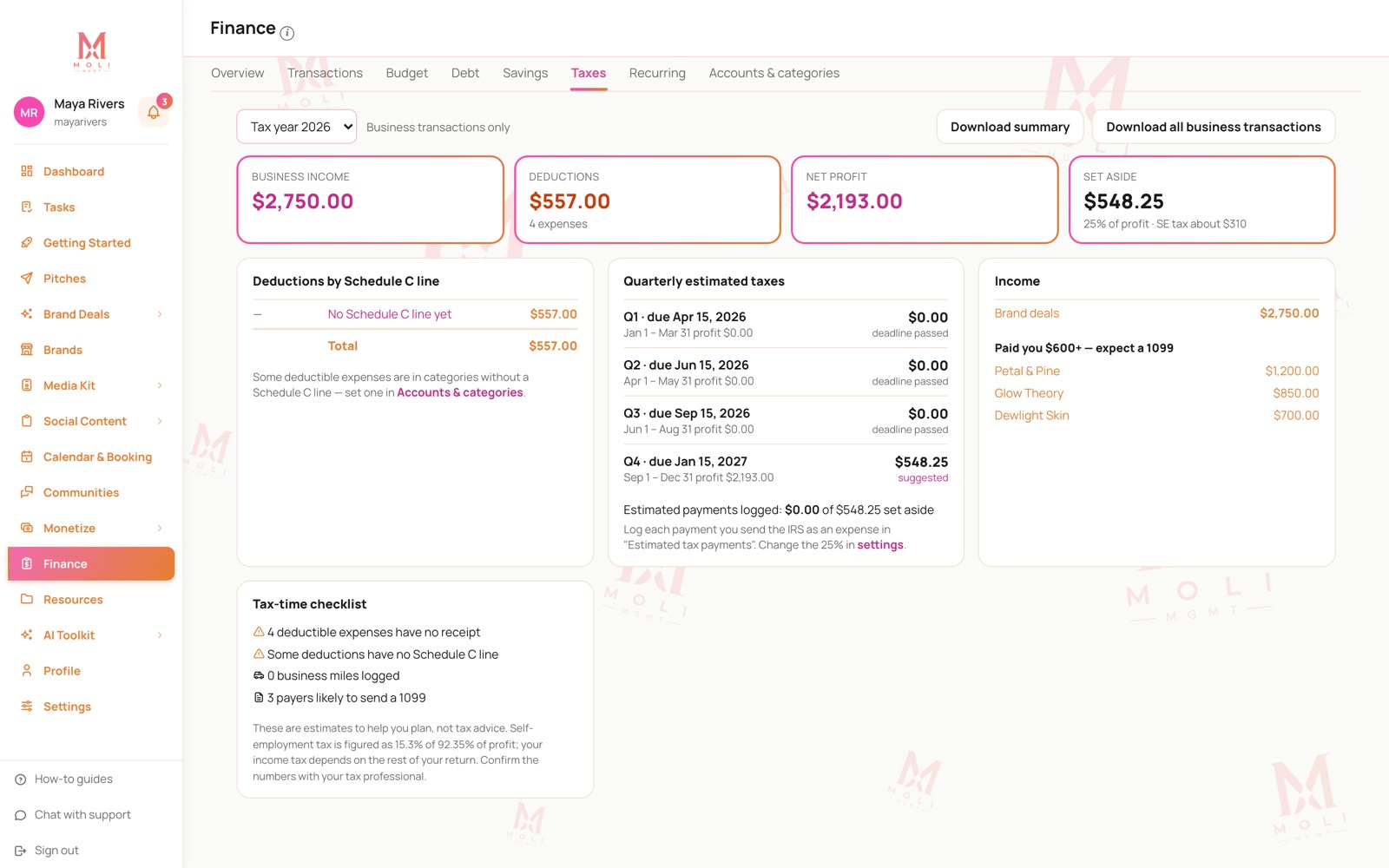
The IRS self-employed tax center says independent contractors are generally self-employed, and that you must file a return if your net self-employment earnings are $400 or more. So from your first paid deal, keep track of what you earn and what you spend on the business, and set part of every payment aside.
- Write down every payment: the brand, the amount and the date.
- Keep receipts for business expenses like lighting, props, editing apps and products you buy to film.
- Set aside a share of every payment for taxes in a separate account.
- Talk to a tax professional once your income is steady.
A simple weekly schedule for a UGC business
| Day | Focus |
|---|---|
| Monday | Pitch new brands and send follow-ups |
| Tuesday to Thursday | Film, edit and deliver client work |
| Friday | Invoices, check-ins with past clients, update your portfolio |
Adjust it to your life, but keep pitching, delivering and admin as separate blocks. That's what stops the feast-or-famine cycle.
Questions people ask
Do I need an LLC to start a UGC business?
No. You can start as an individual and keep good records. Many creators form a business entity later once income is steady. A tax professional can tell you what makes sense where you live.
How do I make UGC income more stable?
Pitch every week even when you're busy, offer monthly packages to happy clients, and check in with past brands each month. Repeat clients are what smooth out the ups and downs.
What tools do I need to run a UGC business?
A phone, good light, a portfolio link, a way to track pitches and deals, a contract template, an invoicing tool and a place to track income. Moli puts all of those in one login, and the basics are free.
How many clients do I need for a full-time UGC income?
It depends on your rates and your costs. Work backward: decide what you need a month, divide by your average package price, and that's how many packages you need to sell. Monthly clients get you there faster than one-off deals.
Sources
Moli holds your media kit, pitches, deals, contracts, invoices and income in one login. Every account starts free.
Start free with MoliKeep reading
How to Market Yourself as a UGC Creator in 2026
Brands can't hire a creator they've never seen. Here's how to market yourself as a UGC creator so brands find you, remember you and say yes.
How to Onboard a New UGC Brand Without the Back-and-Forth
A brand said yes. Now what? A smooth onboarding makes you look like a pro and turns first deals into repeat clients. Here's the whole process, step by step.
How to Become a UGC Creator in 2026: Step-by-Step Guide (No Followers Needed)
You don't need followers to become a UGC creator. You need a niche, a small portfolio, a rate, and a simple way to pitch brands every week. Here's the whole plan, with real rates from Moli.